 Skip to content


One of our favorite places to visit is Asheville, North Carolina. No visit to Asheville would be complete without a pit stop at the Grove Park Inn. It’s a truly impressive Arts & Crafts style hotel built in 1912.
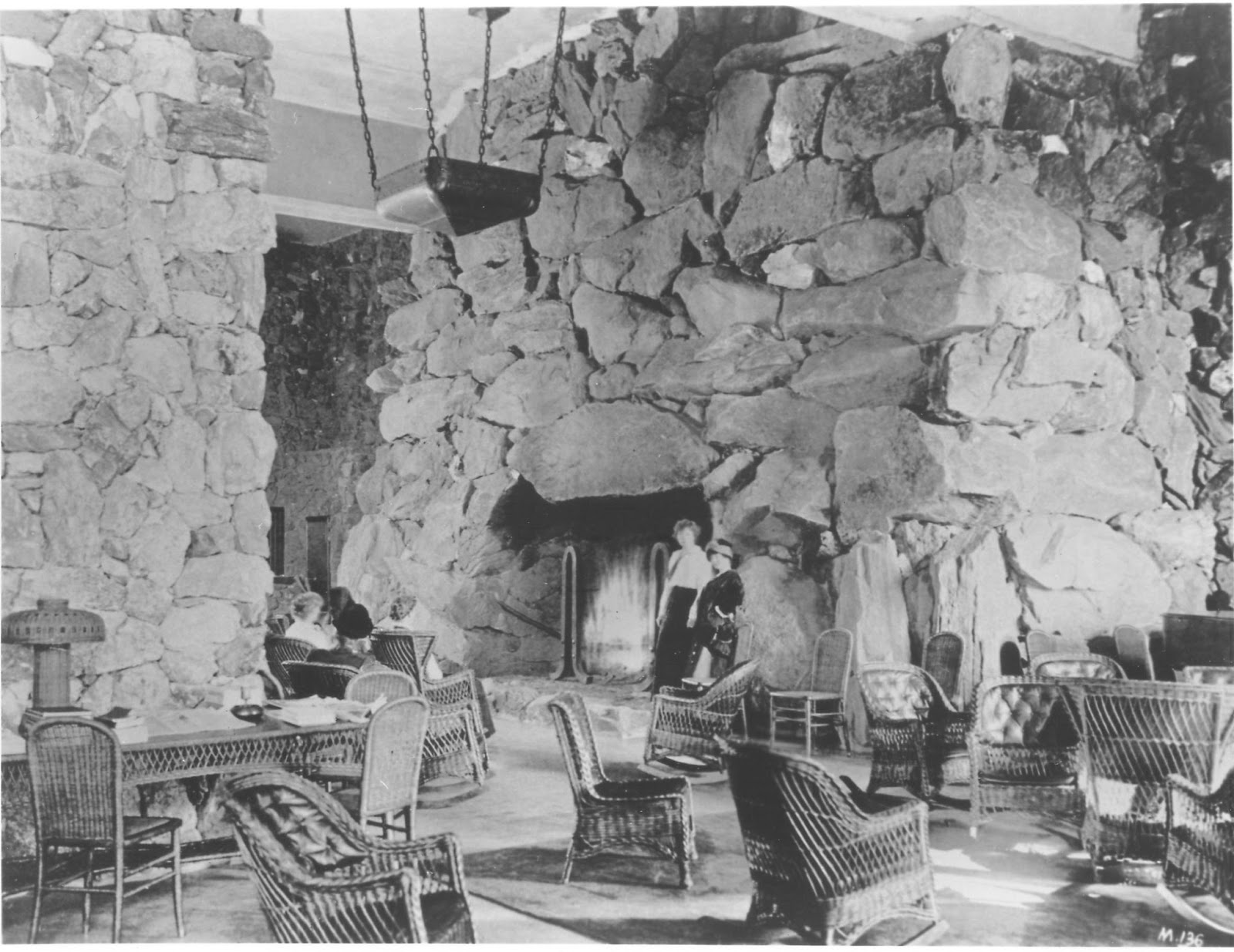 Conceived in 1912 by Edwin Wiley Grove, its construction was a remarkable feat. Using stone from the region (some weighing as much as 10,000 pounds) it was completed in 11 months and 27 days. Grove paid top dollar to the region’s best craftsmen, and erected circus tents on the site to house them. For the grand opening, he was joined by Harvey Firestone, Thomas Edison, Henry Ford, and William Jennings Bryan. F. Scott Fitzgerald called it home for several years. George Gershwin played piano there, and Enrico Caruso sang arias in the ballroom. 10 U.S. Presidents stayed in the Presidential Suite.
One of the most impressive features is the pair of fireplaces that mark the North and South ends of the Inn’s incredible lobby. Large enough to take an 8-foot log, the chimneys were so big that they installed an elevator shaft in one.
Your home may not accommodate a fireplace that takes an 8-foot log, and you may not have Enrico Caruso warbling in your living room, but sitting down in front of a crackling fire does provide for an enormous amount of pleasure.
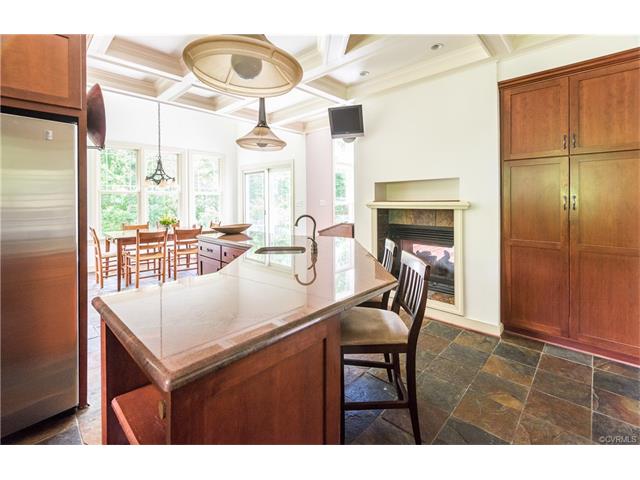 Thanks to innovations in gas and electric fireplaces, you can have one in just about any room in your home. Many homeowners have designed their custom homes with attractive fireplaces in their bedrooms, kitchens, and even bathrooms. These new designs allow for a traditional fireplace with a hearth and mantle, wall-mounted fireplaces, two-sided fireplaces to split rooms, and even free-standing models. They often remove the need for a chimney.
There are many that prefer a wood-burning fireplace for the heat generated, but gas and electric fireplaces can now deliver enough heat to warm a 400 square foot space. Electric fireplaces offer simulated flickering flames, and gas fireplaces feature ceramic logs and an actual flame – much like the flame from your gas grill.
Should you choose the traditional route and go for a wood-burning fireplace, there are some things that you should know:
First and foremost, never burn anything but wood in your fireplace. Certain items can emit harmful gases when burned, and can cause a buildup of combustible soot in your chimney. And while your gas chimney needs an inspection every few years, a wood chimney should be cleaned and inspected annually. This will result in a better fire and eliminate the risk of a dangerous chimney fire.
The wood that you choose is also important. Soft woods like pine will burn brightly, but burn quickly and emit a great deal of smoke and creosote due to the sap and tar. Hardwoods like birch, maple, and oak burn longer, release more heat, and emit less creosote.
Fun tip: A few chips from a backyard smoker can fill your home with a delicious smell. Hickory, mesquite, and apple are popular choices.
When choosing firewood, make certain that it has been seasoned. To season wood organically, it needs to be left under shelter and outside for around two years. This allows the wood to dry out. Some purveyors offer “kiln-dried” firewood, but that will be more expensive. And if you’re going to light a fire, bring your wood inside a day or two early. This will eliminate any residual moisture from recent weather or natural humidity.
You don’t need to be an Eagle Scout to start a decent fire, and you don’t need a city of workers living in circus tents to end up with a nice fireplace. When we design your custom home, we can help you choose where you want your crackling fire, and what sort of fireplace might be best for your dream home.
