 Skip to content

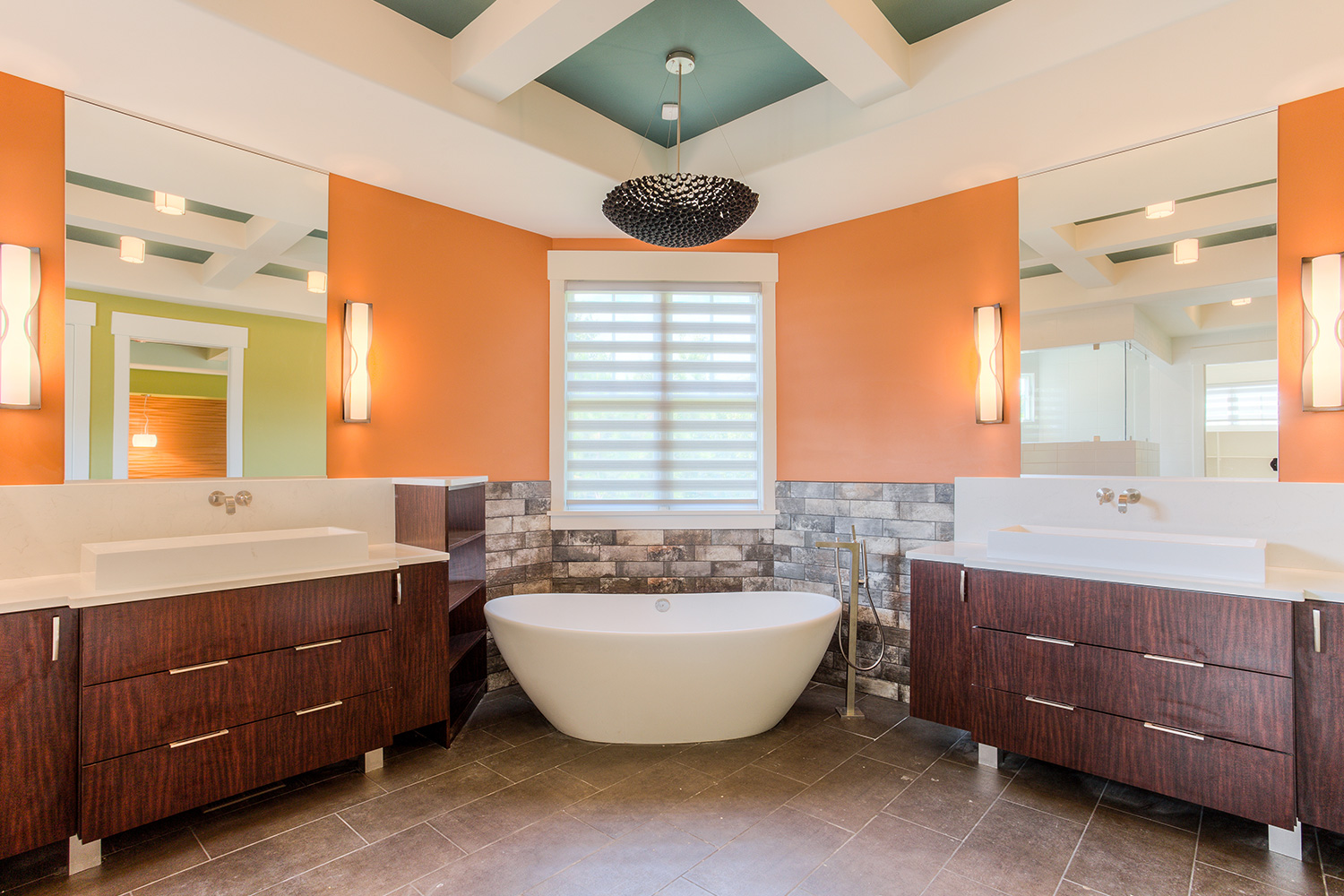
If you’re lucky enough to do a bit of global travelling, you may have noticed something: No matter where you go, STOP signs are red. They may be octagons or triangles, circles or squares, but they’re red. They may say “STOP” or “ALTO” or “ARRET” or be written in Arabic, but they’re red.
Because red means “STOP”.
Pablo Picasso, who stunned art critics during his “Blue” period, said, “Colors, like features, follow the changes of the emotions.”
When Picasso was painting his depressing canvases in Paris, he was poor, tired, hungry, and mourning the loss of his best friend. So, he was quite literally “blue” at the time.
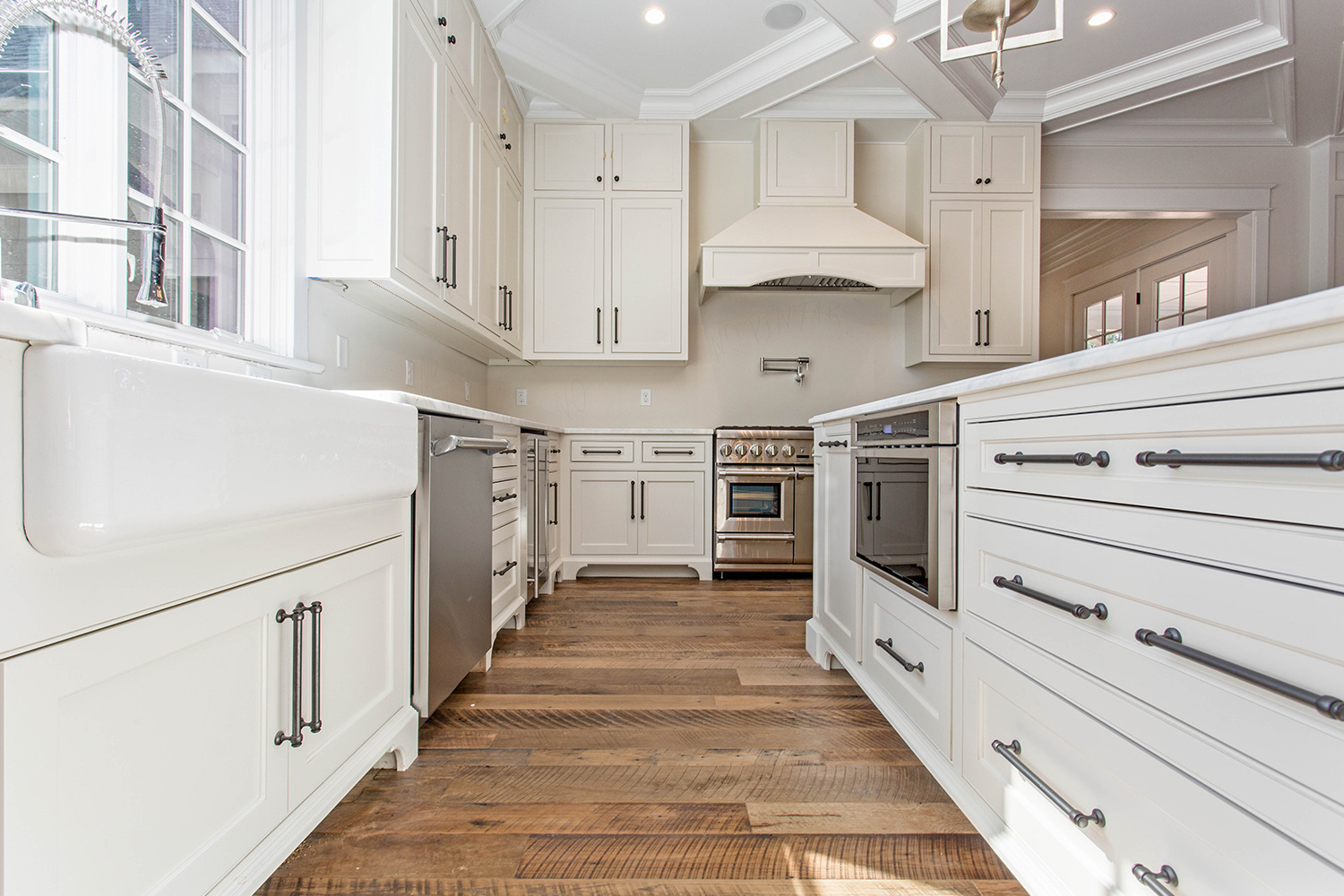 In our homes, we can influence moods with artwork, lighting, furniture and more. The most striking use of color in our homes, however, is the color of our walls. And what do those colors mean?
The most common color in most homes is some version of white. White can make a room seem larger. It draws attention to colorful artwork and eye-catching floors. It implies freshness and cleanliness, making it popular for bathrooms and kitchens. For practitioners of Feng Shui, it creates an invitation for harmony.
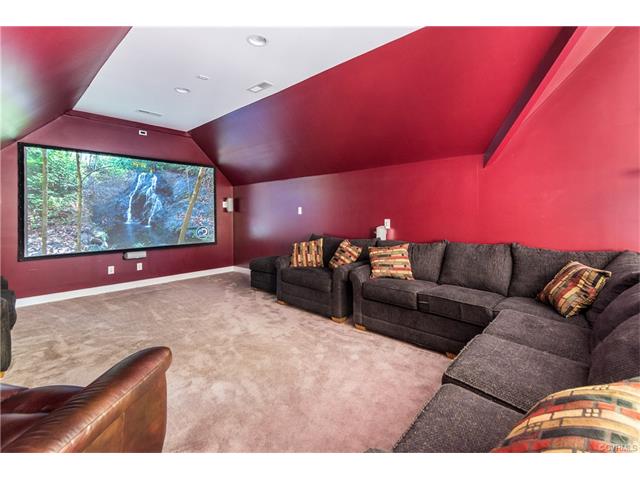
While red is the “danger” color, it also creates excitement. This rise in your metabolism is why it’s a popular restaurant color. It increases your appetite. Red also signifies passion or desire.
Make of that what you will.
 While Picasso’s blue was a result of his sadness, blue also makes one feel calm. It’s a masculine color, but can lower one’s pulse or body temperature. It’s also a strong and conservative color, which may be why we see it in so many business logos.
Van Gogh spent a lot of time exploring various shades of yellow. Yellows are warm, like Van Gogh’s sun. It’s the color of daisies and sunflowers.
A trip to your local home improvement store will overwhelm you with 500 shades of white. But colors can influence what we eat and what we buy. As you sort through paint samples, you have to ask yourself:
How will my wall color make me feel?